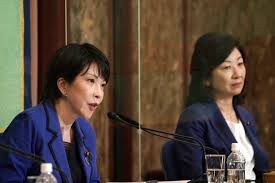
Japan’s recent election marked a transformative moment as a record number of women won seats in the national legislature, setting a new standard for representation in the country’s political arena. Traditionally a male-dominated space, Japan’s government is now seeing a shift that reflects growing public demand for gender diversity and inclusion in leadership roles. This increase in female representation is more than symbolic; it represents a commitment to a more balanced and inclusive governance structure that prioritizes a wider range of societal needs and perspectives.
As these newly elected women step into their roles, they bring varied experiences and a readiness to address issues that have often been overlooked, including gender equity, family support, and social welfare policies. Their perspectives are expected to influence the legislative agenda, broadening the scope of policies to better reflect the priorities of all citizens. This political milestone also signals a broader cultural shift in Japan, where traditional views on gender roles in leadership are gradually giving way to a more inclusive and representative democracy.