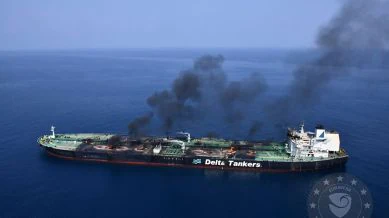
In a provocative development that highlights the escalating conflict in the Middle East, Yemen’s Houthi rebels have claimed responsibility for a series of attacks on a British oil vessel. This aggressive action is part of a broader strategy involving a blockade that aims to disrupt oil shipments in the region. The rebels have issued a stark warning, stating that they will maintain this blockade until Israel ceases its military operations in Palestine and Lebanon.
The Houthi rebels’ decision to target international maritime operations signals a significant shift in the dynamics of the ongoing conflict, reflecting the intersection of local and regional grievances. By targeting a British vessel, the Houthis are sending a clear message about their willingness to challenge foreign interests in the region, particularly in light of the escalating violence in Palestine and Lebanon.
The implications of these attacks are far-reaching, threatening not only regional stability but also potentially disrupting global oil markets already fraught with uncertainty. Experts warn that continued Houthi aggression could lead to a surge in oil prices, impacting economies worldwide. The situation underscores the interconnectedness of conflicts in the Middle East and their ability to influence international energy dynamics.
As the conflict intensifies, the international community faces mounting pressure to intervene and seek diplomatic resolutions to the crisis. The Houthi leadership’s actions reflect a commitment to leveraging their military capabilities to influence the geopolitical landscape, and the potential for further escalation remains a serious concern.