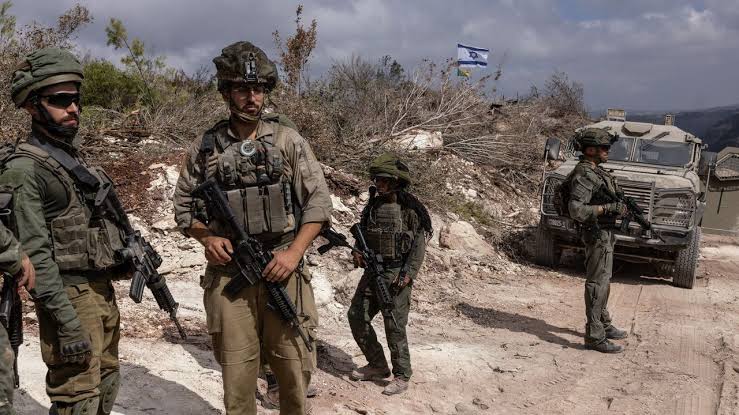
A temporary ceasefire between Israel and Hezbollah has gone into effect, offering a brief reprieve from the escalating violence that has gripped the region. While this truce provides a much-needed pause in hostilities, doubts persist about its longevity. Many observers question whether it marks the start of a genuine effort toward peace or merely a temporary lull in a deeply entrenched conflict.
The decision to halt fighting reflects a shared recognition of the urgent need to de-escalate tensions, particularly as civilians continue to bear the brunt of the violence. In conflict-affected areas, daily life has been upended, with families facing destruction, displacement, and mounting humanitarian challenges. For those on the ground, the cessation of hostilities offers a welcome break, but it comes with lingering fears that the conflict could reignite at any moment.
This ceasefire is the result of significant diplomatic intervention, with international powers urging both sides to step back from the brink of further violence. The truce is seen as a crucial opportunity to reduce tensions and prevent a broader regional crisis. However, given the deep mistrust and history of repeated cycles of violence between Israel and Hezbollah, the agreement remains delicate and highly susceptible to collapse.
For Israel, the ceasefire offers a chance to address immediate security concerns and reassess its strategic position. Hezbollah, on the other hand, may view this pause as an opportunity to regroup and strengthen its alliances. Both parties approach the ceasefire cautiously, each skeptical of the other’s motives. This mutual distrust underscores the fragile nature of the agreement and raises concerns about its ability to hold.
The ceasefire’s success also depends heavily on the broader geopolitical context. The conflict between Israel and Hezbollah is deeply intertwined with regional rivalries and global political dynamics. Key players, including Iran and the United States, have significant stakes in the outcome, and their involvement could either stabilize the situation or exacerbate existing tensions. Meanwhile, longstanding issues such as territorial disputes, political inequalities, and ideological divides remain unaddressed, continuing to fuel the conflict.
Some critics argue that the ceasefire is merely a stopgap measure, offering a temporary reduction in violence without addressing the root causes of the hostilities. Resolving the underlying issues would require a concerted effort to tackle sensitive topics such as territorial rights, political representation, and security guarantees. Without meaningful dialogue and compromise, any peace is likely to be short-lived.
Humanitarian organizations have cautiously welcomed the ceasefire, noting that it creates a critical window to deliver aid to communities that have been devastated by the fighting. These groups also stress the importance of using this period to initiate broader peace-building efforts. The humanitarian toll of the conflict highlights the urgent need for a long-term resolution that prioritizes civilian safety and stability over military objectives.
While the ceasefire provides a temporary sense of calm, it serves as a reminder of the fragile nature of peace in the region. Both Israel and Hezbollah face significant challenges in maintaining this truce, and the risk of renewed violence remains high. The hope is that this pause in hostilities can pave the way for further negotiations and, ultimately, a sustainable resolution to the conflict.
As the situation unfolds, the international community will continue to monitor developments closely, urging restraint and encouraging steps toward a more stable future. Whether this ceasefire can evolve into a foundation for lasting peace is uncertain, but it represents a critical opportunity to break the cycle of violence and seek a path toward coexistence in one of the world’s most volatile regions.