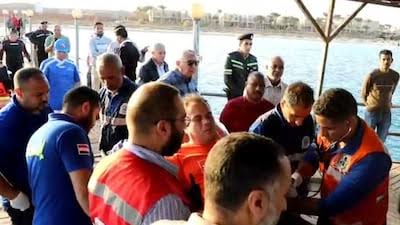
Five individuals were rescued after a tourist boat tragically sank in the Red Sea, bringing maritime safety concerns into sharp focus. The incident, while ending in a fortunate rescue for those saved, underscores the persistent risks faced by vessels navigating busy waterways and the need for stricter safety protocols.
The tourist boat, carrying passengers on what was meant to be a leisurely voyage, sank under circumstances that are still under investigation. Authorities have not yet provided a full account of the events leading to the disaster, but early reports suggest potential issues with the vessel’s structural integrity or compliance with safety standards. Such incidents highlight the challenges of maintaining safety in maritime tourism, where growing demand sometimes outpaces the enforcement of regulations.
Rescue teams acted swiftly, managing to save five individuals from the sinking vessel. Their efforts have been praised for preventing a far worse tragedy. However, the incident has reignited conversations about the adequacy of emergency preparedness measures aboard such boats. Questions are being raised about the availability of life-saving equipment, crew training, and the speed of response in emergencies.
Maritime safety experts have long emphasized the importance of robust regulations to ensure the safety of passengers and crew. The sinking of this boat serves as a reminder of the dangers posed by inadequate safety measures, especially in regions like the Red Sea, which sees significant maritime traffic. The area’s popularity as a tourist destination makes it essential to uphold rigorous safety standards, given the high number of vessels operating in its waters.
This incident also draws attention to the broader issue of maritime safety enforcement. While international guidelines exist, their implementation often varies by country and operator. In some cases, financial pressures or lax oversight can lead to non-compliance with safety standards, putting lives at risk. This sinking highlights the urgent need for consistent monitoring and stricter penalties for violations.
For the survivors, the rescue marks a miraculous turn in an otherwise harrowing ordeal. The emotional and physical toll of such incidents cannot be understated, and support will likely be necessary to help them recover from the trauma. Survivors’ accounts may also provide critical insights into what went wrong, aiding authorities in preventing similar disasters in the future.
In light of this tragedy, many are calling for renewed attention to maritime safety in the Red Sea and other high-traffic areas. Governments, tourism operators, and international bodies must collaborate to enforce stricter safety protocols, ensure regular inspections of vessels, and provide adequate training for crews. Public awareness campaigns could also play a role in educating passengers about safety measures and their rights when traveling on boats.
The Red Sea, known for its natural beauty and vibrant marine life, remains a popular destination for tourists worldwide. However, incidents like this highlight the delicate balance between promoting tourism and ensuring safety. Strengthening safety standards not only protects lives but also safeguards the region’s reputation as a prime tourist destination.
While the successful rescue of the five survivors is cause for relief, the sinking serves as a stark reminder of the dangers of inadequate maritime safety measures. As investigations continue, it is crucial for stakeholders to learn from this incident and take proactive steps to prevent similar tragedies in the future. Maritime safety is not merely a regulatory requirement—it is a moral imperative that must guide all activities on the water.