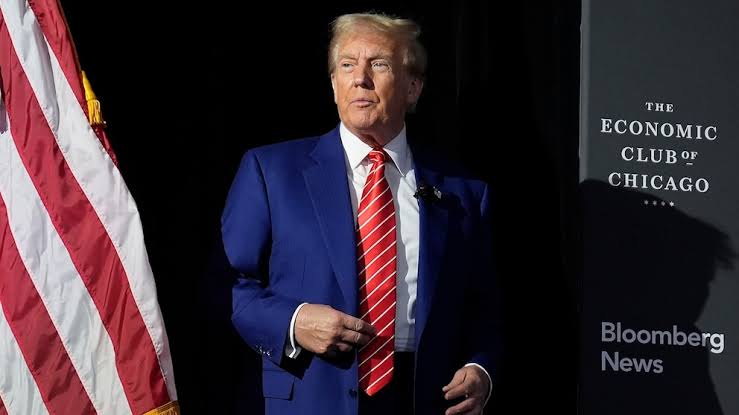
Former President Donald Trump has vowed to impose new tariffs on foreign goods if he is re-elected, a promise that has already sent ripples through the global economy. This announcement has reignited fears of trade conflicts and heightened uncertainty about the future of international commerce. Economists, policymakers, and global leaders are now closely watching the potential repercussions of such a move, which could impact not only the U.S. economy but also its trading partners around the world.
Trump’s proposal centers on implementing new tariffs as part of an “economic nationalist” agenda aimed at protecting American industries and jobs. This approach is not new; during his first term, Trump introduced substantial tariffs on imports from major trading partners, including China and the European Union. These measures, designed to reduce trade deficits and encourage domestic manufacturing, sparked tit-for-tat retaliations, disrupting global supply chains and straining diplomatic relations.
The prospect of another wave of tariffs is fueling concerns about a repeat of these tensions. Global markets are already reacting to the potential instability, with investors wary of how such policies could affect trade flows, commodity prices, and economic growth. For many businesses, the uncertainty surrounding future trade policies complicates planning and investment decisions, particularly for industries reliant on international supply chains.
Critics argue that imposing new tariffs could have unintended consequences, including higher costs for American consumers and businesses. Tariffs often lead to price increases on imported goods, which can ripple through the economy and contribute to inflation. Additionally, retaliatory measures by other countries could harm U.S. exporters, reducing their competitiveness in global markets. The agricultural sector, which was significantly impacted during Trump’s first term, remains particularly vulnerable to such trade disputes.
Supporters of the tariff strategy, however, see it as a necessary tool to address perceived unfair trade practices and to promote domestic production. Advocates argue that by making imported goods more expensive, tariffs can incentivize companies to manufacture products within the U.S., thereby creating jobs and boosting the economy. Proponents also view tariffs as a way to exert pressure on countries like China to change policies that are deemed harmful to U.S. interests, such as intellectual property theft and state subsidies for industries.
The international reaction to Trump’s tariff threats has been swift, with many countries expressing concerns about the potential impact on the global economy. Major trading partners, including China and members of the European Union, are already bracing for the possibility of renewed trade disputes. These nations may seek to negotiate or retaliate, depending on the scale and scope of any new tariffs. The prospect of escalating tensions underscores the interconnectedness of the global economy and the far-reaching implications of protectionist policies.
At the heart of the debate over tariffs lies a broader discussion about the future of global trade. Critics of Trump’s approach argue that protectionist measures undermine the principles of free trade, which have driven economic growth and development worldwide for decades. They warn that a shift toward more isolationist policies could weaken international institutions like the World Trade Organization (WTO) and set a dangerous precedent for other nations to follow suit.
From a domestic perspective, Trump’s tariff pledge is likely to become a central issue in the 2024 presidential election. While his base of supporters may rally behind the promise of protecting American jobs and industries, his opponents are expected to highlight the economic risks and potential fallout of such policies. The outcome of this debate could shape the future direction of U.S. trade policy for years to come.
As the world awaits the unfolding of these developments, one thing is clear: the prospect of new tariffs under a potential Trump presidency has reignited concerns about global trade stability. Whether these measures will deliver the intended benefits or lead to further economic disruption remains to be seen. In the meantime, businesses, policymakers, and international leaders must prepare for the potential challenges that lie ahead in an increasingly uncertain trade environment.