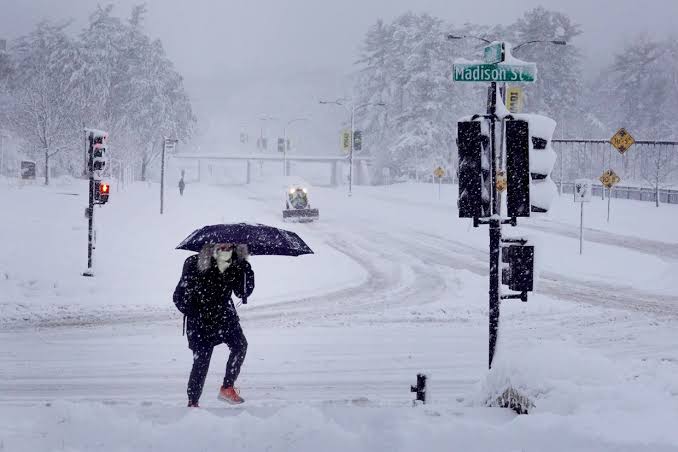
North America is grappling with a severe winter storm that has disrupted daily life and critical infrastructure. Transportation systems have been hit hard, with widespread flight cancellations, hazardous road conditions, and power outages affecting millions. Authorities have issued urgent warnings, advising residents to remain indoors and prepare for extreme weather conditions. Beyond its immediate impacts, the storm is also straining supply chains, highlighting vulnerabilities in the region’s logistical networks.
At the same time, economic instability continues to pose significant challenges worldwide. Rising inflation is placing financial pressure on households and businesses, while the tech industry faces notable setbacks, including widespread layoffs. These developments reflect a broader sense of uncertainty in global markets, where economic shocks in one region can quickly affect others. Governments and policymakers are under increasing pressure to implement measures that restore confidence and foster economic stability amid these turbulent conditions.
In Europe, political tensions are intensifying, further compounding global concerns. Conflicts over governance, territorial disputes, and international alliances have created an environment of uncertainty and division. These disputes threaten not only regional stability but also global diplomatic and economic relations. Efforts to mediate and de-escalate these conflicts are critical, as their outcomes could have far-reaching implications for international peace and security.
Meanwhile, the world continues to contend with the ongoing challenges posed by the COVID-19 pandemic. The emergence of new variants has renewed focus on vaccine development and public health measures. Scientists and health organizations are racing to adapt vaccines and treatments to address the evolving virus, while governments emphasize the importance of vaccination and preparedness. The pandemic serves as a stark reminder of the need for global cooperation and innovation in managing health crises.
Together, these crises underscore the interconnectedness of today’s world, where weather events, economic disruptions, political conflicts, and health emergencies can have cascading effects. Addressing these challenges requires collective action, forward-thinking solutions, and a commitment to resilience at every level. As the world faces these multifaceted issues, collaboration and adaptability remain essential to navigating an increasingly complex global landscape.