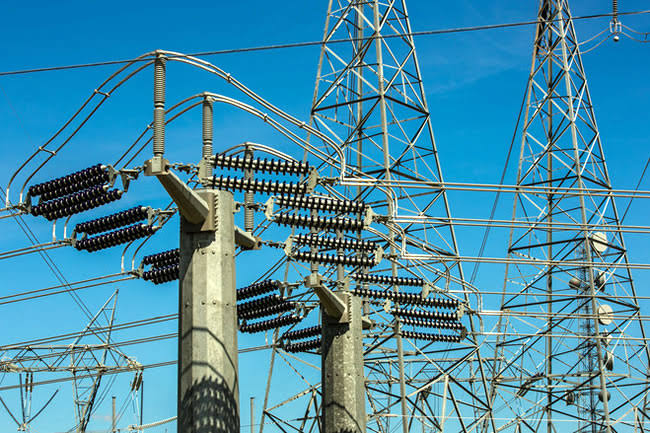
Nigeria recently endured another nationwide blackout after the collapse of its national power grid. This recurring issue has amplified concerns about the nation’s power infrastructure and its profound effects on daily life, economic activities, and social stability.
Nigeria has once again faced a nationwide blackout, a direct result of the collapse of its national power grid. This recurring issue has drawn attention to the weaknesses in the country’s energy infrastructure and the significant challenges it imposes on citizens, businesses, and public services. The blackout has become a stark reminder of the pressing need for sustainable reforms to stabilize Nigeria’s electricity supply.
The national grid, designed to distribute electricity from generation stations across the country, has proven increasingly unreliable. Aging infrastructure, poor maintenance practices, and insufficient capacity have rendered the system prone to frequent failures. Even minor disturbances can cause a cascading effect, resulting in widespread outages. Unfortunately, this latest incident is one of many in a long history of grid collapses, highlighting the systemic nature of the problem.
The immediate consequences of the blackout were severe and far-reaching. Residential areas were plunged into darkness, disrupting daily activities for millions of Nigerians. For families, this meant enduring hours of discomfort without access to basic amenities like lighting, cooling systems, or refrigeration. Students attempting to study faced significant challenges, with many forced to resort to using candles or battery-powered lamps.
Businesses bore the brunt of the disruption, especially small and medium enterprises (SMEs) that rely heavily on stable power for their operations. Many had no choice but to turn to expensive diesel generators to continue functioning, which significantly increased their operational costs. For manufacturing industries, production lines came to a standstill, resulting in delayed deliveries and financial losses.
The blackout also affected essential services, including hospitals and emergency responders. Healthcare facilities were forced to rely on backup generators to power life-saving equipment, while others struggled with fuel shortages to keep these generators running. Security services faced additional challenges, as prolonged darkness in urban and rural areas increased vulnerability to crimes such as theft and vandalism.
Economically, the grid collapse has far-reaching implications. Reliable electricity is critical to economic growth and development. Without it, productivity suffers, investments dwindle, and businesses are discouraged from expanding. In a country like Nigeria, where economic diversification and industrialization are crucial for long-term progress, the persistent instability of the power sector serves as a major hindrance.
Experts have long advocated for a complete overhaul of Nigeria’s energy system. One solution lies in diversifying energy sources. Renewable energy options, such as solar, wind, and hydropower, could supplement the national grid and reduce its vulnerability to widespread failures. Decentralizing power generation through regional grids or localized power stations is another promising approach, as it minimizes the impact of grid collapses in any single region.
The government has initiated various projects aimed at improving the power sector, such as privatizing parts of the electricity distribution network and seeking foreign investments in infrastructure. However, these measures have been slow to yield tangible results. Challenges such as bureaucratic inefficiencies, lack of accountability, and inconsistent policy implementation have further delayed progress.
Moving forward, addressing Nigeria’s power crisis will require a multi-pronged strategy. Modernizing the national grid is a critical first step, including replacing outdated components and incorporating advanced technologies to enhance efficiency and reliability. Routine maintenance schedules must be enforced to prevent minor issues from escalating into full-blown collapses. Additionally, incentivizing private sector participation and fostering public-private partnerships can help secure the financial and technical resources needed for long-term improvements.
For Nigeria to fulfill its economic potential and improve the standard of living for its citizens, stable and reliable electricity must become a priority. The recent blackout should serve as a wake-up call, emphasizing the urgency of implementing sustainable solutions to address the country’s energy challenges.
By adopting innovative approaches and investing in renewable energy and decentralized power systems, Nigeria can build a resilient and efficient energy sector. Such efforts will not only mitigate the risk of future blackouts but also pave the way for a brighter and more prosperous future for all Nigerians.