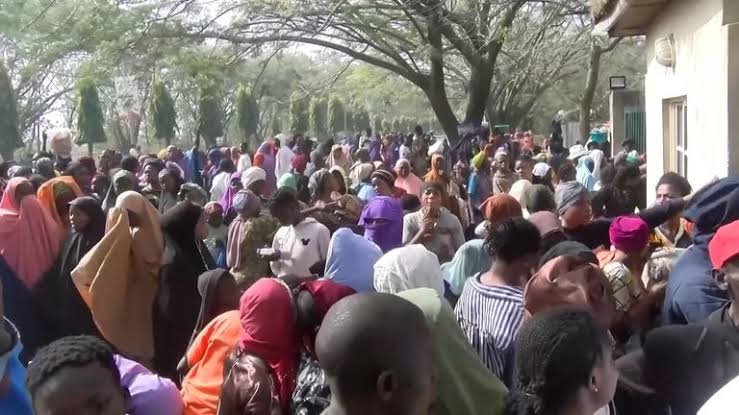
The recent stampedes in Nigeria that claimed the lives of at least 67 people, including numerous children, have brought into sharp focus the devastating impact of the country’s economic challenges. These tragic incidents occurred during Christmas charity events in Oyo, Anambra, and Abuja, where desperate crowds gathered to receive aid. The events are a sobering reminder of the human toll of Nigeria’s ongoing cost-of-living crisis, exacerbated by inflation that has surged to a staggering 34.6%, the highest in 28 years.
These stampedes reflect the grim realities faced by millions of Nigerians. Economic hardships have pushed countless individuals to the brink, leaving them reliant on charitable assistance for survival. As the cost of living spirals out of control, even basic necessities such as food, healthcare, and shelter have become unattainable for many. In this context, charity events offering aid become lifelines for those in need. However, the lack of proper planning, crowd management, and safety measures can turn such gatherings into tragedies, as seen in these recent events.
Inflation, a key factor in this crisis, has severely weakened the purchasing power of ordinary Nigerians. Food prices have soared, transportation costs have risen, and utility bills have become unmanageable for the average household. For those already living below the poverty line, these conditions have made survival a daily struggle. Families who were once able to meet their basic needs now find themselves unable to afford even a single meal. This growing desperation has led to increased attendance at charity events, where the promise of food or financial aid draws large crowds.
In Oyo, Anambra, and Abuja, the sheer number of people gathered to receive aid overwhelmed the organizers. Reports indicate that inadequate crowd control measures and a lack of organization contributed to the chaos. With thousands of people pushing and shoving to gain access to limited resources, the situation quickly spiraled out of control, resulting in the tragic loss of lives. Many of the victims were children, whose small frames made them particularly vulnerable in the crush.
Beyond the immediate tragedy, these incidents reveal deeper systemic issues within Nigeria. The country is grappling with a multifaceted crisis characterized by economic instability, widespread unemployment, and inadequate infrastructure. Despite being one of Africa’s largest economies, Nigeria has struggled to translate its resources and potential into tangible benefits for its population. Corruption, mismanagement, and policy failures have further compounded these challenges, leaving millions of citizens trapped in a cycle of poverty.
In the short term, addressing the issues of public safety and event management is critical to preventing similar incidents in the future. Organizers of charity events must prioritize crowd control and implement safety protocols to ensure the orderly distribution of aid. Authorities should also provide support to these events, such as deploying security personnel or logistical assistance, to help manage large gatherings.
However, long-term solutions require addressing the root causes of Nigeria’s economic crisis. The government must take decisive steps to combat inflation, create jobs, and provide social safety nets for vulnerable populations. Strengthening the economy through investments in agriculture, manufacturing, and technology could provide sustainable livelihoods for citizens. Additionally, tackling corruption and ensuring transparency in public spending are essential to rebuilding trust and fostering inclusive growth.
International organizations and development partners can also play a role by supporting Nigeria in its efforts to alleviate poverty and stabilize the economy. Programs that provide direct financial assistance to the most vulnerable, along with initiatives aimed at improving access to education and healthcare, can help address immediate needs while laying the foundation for long-term development.
The stampedes in Oyo, Anambra, and Abuja are heartbreaking reminders of the human cost of economic hardship. They serve as a call to action for all stakeholders—government, civil society, and the international community—to work together to create a more equitable and secure future for Nigerians. Without urgent and sustained efforts, the cycle of poverty and desperation will continue, leading to more tragedies in the years to come.
The Tragic Impact of Nigeria’s Economic Crisis: Stampedes Claim Lives at Charity Events
Date: