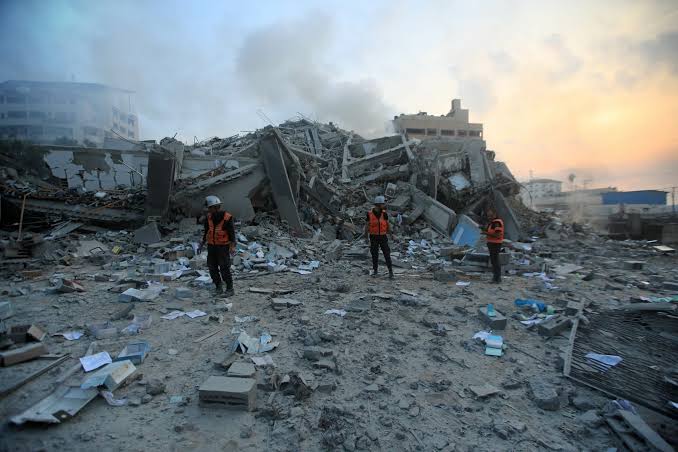
The conflict between Israel and Palestinian factions in Gaza has escalated, with recent airstrikes in the southern region killing at least 10 people and leaving many injured. Medical officials have confirmed the casualties, as the strikes hit areas already grappling with a prolonged humanitarian crisis caused by years of blockade and recurring violence.
The Israeli Defense Forces (IDF) stated that the airstrikes were in response to rocket fire and militant activity attributed to Hamas and other groups. The southern regions of Khan Younis and Rafah were particularly affected, with significant destruction to homes and infrastructure. Among the victims were women and children, highlighting the devastating impact on civilians.
Residents described chaotic scenes, with families fleeing their homes and seeking refuge in overcrowded shelters or with relatives in less affected areas. Gaza’s healthcare system, already under severe strain due to limited resources and staff shortages, is struggling to treat the influx of injured. Hospitals are overwhelmed, and the ongoing violence has pushed the region’s fragile infrastructure closer to collapse.
The international community has expressed concern over the rising violence. The United Nations has called for restraint and protection of civilians, urging both sides to de-escalate. Efforts by Egypt and Qatar to mediate a ceasefire appear to have stalled, leaving little hope for an immediate resolution to the crisis.
Gaza has been under a blockade imposed by Israel and Egypt for over a decade, severely restricting access to essential goods, medical supplies, and fuel. This has led to widespread poverty and unemployment, making the population especially vulnerable during periods of conflict. Aid organizations warn that continued violence will exacerbate the humanitarian crisis, with shortages of food, water, and electricity worsening the situation.
The roots of the conflict lie in long-standing political, territorial, and historical disputes. Israel argues that its military actions are necessary to protect its citizens from militant attacks, while Palestinians accuse Israel of collective punishment and human rights abuses. The lack of progress in peace negotiations and the expansion of Israeli settlements in the West Bank have further inflamed tensions, leaving the region in a constant state of unrest.
In Gaza, the civilian population bears the brunt of the violence. Many children grow up in an environment of fear and instability, with limited access to education, healthcare, and basic needs. Families displaced by the airstrikes now face the daunting challenge of rebuilding their lives amid ongoing destruction and scarcity.
Experts warn that unless the root causes of the conflict are addressed, cycles of violence will continue. While the international community has long advocated for a two-state solution, little progress has been made, and trust between the parties remains deeply fractured. Global divisions and competing interests have further hindered efforts to broker meaningful peace.
As tensions persist, immediate humanitarian aid is critical to support those affected by the violence. Relief organizations are working to provide food, medical supplies, and shelter, but these efforts can only offer temporary relief. Without a sustainable ceasefire and renewed political dialogue, the situation in Gaza is likely to worsen, with devastating consequences for the region and its people.