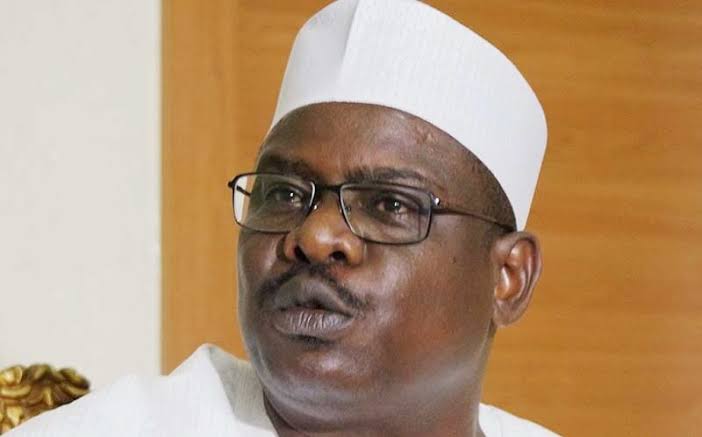
Senator Ali Ndume has publicly criticized the federal government’s proposal to raise the Value Added Tax (VAT), asserting that such an increase would unfairly burden low-income Nigerians who are already struggling with escalating living costs. The senator, representing Borno State, emphasized that the proposed tax hike would exacerbate the financial challenges faced by vulnerable households, many of whom are grappling with rising prices for essential goods and services.
In his remarks, Ndume pointed out that while the government may view a VAT increase as a way to boost revenue, it could lead to even greater economic hardship for the very citizens it aims to support. He argued that rather than imposing additional taxes, the government should prioritize measures that promote economic growth and improve the livelihoods of ordinary Nigerians. Ndume’s comments resonate with growing concerns about inflation and its impact on the purchasing power of the average citizen, which has become a pressing issue for many families across the nation.
This debate over the proposed VAT increase aligns with recent recommendations from the World Bank, which has advised Nigeria to focus on job creation as a key component of its economic reforms. The World Bank highlighted that generating employment opportunities is essential for achieving long-term economic stability and growth. Ndume’s opposition to the VAT hike reflects a broader sentiment among some lawmakers and economic experts who believe that fostering job growth should take precedence over raising taxes.
As discussions about the VAT proposal continue, Ndume’s critique serves as a rallying point for those advocating for policies that support economic resilience without placing additional financial burdens on low-income families. The outcome of this debate will be crucial as the Nigerian government navigates its fiscal policies in an increasingly challenging economic environment.