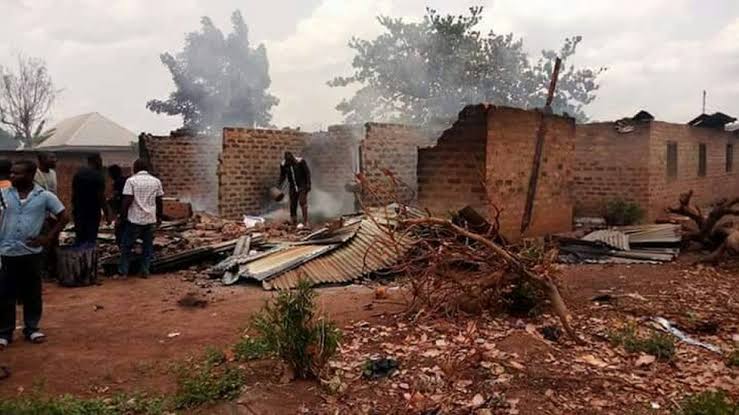
A tragic attack in a Benue State community has left thirteen people dead and farmlands destroyed in what has been attributed to suspected herdsmen. The incident has thrown the community into mourning and highlighted the persistent security challenges faced by many in the region.
The assault, which appeared to be deliberate and coordinated, left families grieving the loss of their loved ones while also dealing with the destruction of their primary means of livelihood. Reports indicate that farmlands were set ablaze or severely damaged, deepening the economic and emotional impact on the community. Agriculture is the backbone of this area, and the devastation has not only threatened food security for individual families but also endangered the community’s broader economic stability.
The conflict between herdsmen and farmers in Benue State is not new. Known as the “Food Basket of the Nation,” Benue has long been a hotspot for disputes over land and resources. These conflicts have been fueled by a combination of factors, including population growth, environmental degradation, and limited mechanisms for resolving disputes. Over the years, these tensions have frequently erupted into violence, with tragic consequences for farming communities.
Despite efforts by the government to address the crisis, such as implementing anti-open grazing laws and promoting alternative methods like ranching, these measures have achieved limited success. Many argue that the root causes, such as competition for dwindling resources and inadequate enforcement of policies, remain unaddressed. As a result, communities like this one remain vulnerable to repeated violence.
In response to this latest incident, community leaders and residents have called on the authorities to act decisively. They are urging security agencies to investigate the attack, apprehend the culprits.