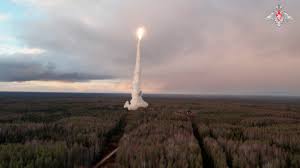
The conflict between Ukraine and Russia has entered a new phase of escalation, with reports indicating that Ukraine employed U.S.-supplied missiles in recent attacks against Russian targets. This development has further intensified an already volatile situation, with Moscow signaling its intention to respond. The use of advanced weaponry provided by Western allies highlights the growing international dimensions of the conflict, raising concerns about its broader implications for regional and global stability.
Ukraine’s deployment of U.S.-made missiles demonstrates a strategic shift in its military efforts to counter Russian aggression. These weapons, known for their precision and destructive power, allow Ukrainian forces to strike deeper and more effectively into enemy-controlled territories. The attacks reportedly targeted key Russian military assets, signaling Ukraine’s determination to weaken Russia’s operational capacity and push back against its ongoing offensives.
For Russia, these strikes represent a significant escalation. Moscow has consistently criticized Western military aid to Ukraine, viewing it as direct involvement in the conflict. The use of U.S. missiles intensifies these grievances and raises the stakes, as it not only challenges Russia’s military strategy but also underscores the expanding role of NATO-aligned nations in supporting Ukraine. In response, Russia has vowed to retaliate, although the nature and scale of its planned actions remain uncertain.
This development comes against the backdrop of increasing Western support for Ukraine, including advanced weaponry and financial aid. The U.S. and its allies have justified their assistance as essential to helping Ukraine defend its sovereignty and resist Russian aggression. However, this support has also deepened tensions with Russia, which accuses the West of escalating the conflict and prolonging the suffering of civilians caught in the crossfire.
The use of U.S.-supplied missiles also raises concerns about potential escalation beyond Ukraine’s borders. Moscow’s response could target not only Ukrainian forces but also Western supply lines or infrastructure deemed critical to the war effort. Such actions would risk drawing NATO members more directly into the conflict, heightening fears of a broader confrontation between nuclear-armed powers.
At the same time, this escalation poses significant challenges for diplomatic efforts to bring an end to the war. The use of advanced weaponry by Ukraine, coupled with Russia’s threats of retaliation, further polarizes the two sides and complicates the prospect of meaningful negotiations. International mediators may find it increasingly difficult to bridge the widening gap between the conflicting parties, leaving little room for dialogue or compromise.
The humanitarian toll of the conflict continues to grow, with civilians on both sides bearing the brunt of the violence. As military actions intensify, so do the risks to civilian infrastructure, such as energy facilities, transportation networks, and residential areas. The international community has repeatedly called for restraint and adherence to humanitarian principles, but these appeals have often gone unheeded in the face of escalating hostilities.
For Ukraine, the use of U.S.-made missiles symbolizes its growing capability to defend itself and resist Russian advances. However, it also underscores the high stakes of its reliance on Western support. For Russia, these attacks reaffirm its narrative of Western intervention in the conflict and may prompt more aggressive measures to reassert its position. Both sides appear locked in a cycle of action and counteraction, with no clear path toward resolution.
As the situation develops, the international community remains on edge, monitoring Russia’s promised response and the potential consequences of further escalation. This latest chapter in the Ukraine-Russia conflict underscores the complexity of a war that has evolved from a bilateral dispute into a proxy struggle with global ramifications. The coming weeks may prove critical in determining whether the conflict will spiral further or if diplomatic efforts can regain traction to prevent a broader catastrophe.