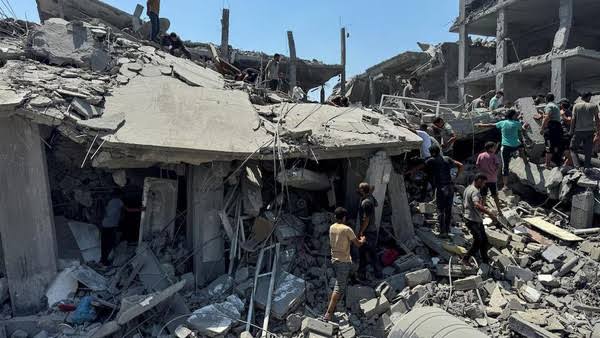
Gaza is facing a worsening humanitarian crisis, with living conditions deteriorating rapidly and millions of lives hanging in the balance. Years of conflict, strict blockades, and economic collapse have left the region in dire straits. The destruction of vital infrastructure, shortages of essential supplies, and a collapsing healthcare system have created a desperate situation. As the crisis deepens, there are growing calls for urgent international action to alleviate the suffering and prevent further devastation.
Home to more than two million people, Gaza has long been a region marked by adversity. The population has endured years of conflict, limited access to resources, and severe economic hardship. The ongoing blockade has severely restricted the movement of goods and people, cutting off essential supplies and stifling economic opportunities. As a result, poverty and unemployment have reached unprecedented levels, and more than 80% of the population now relies on humanitarian aid for survival.
The recent escalation in violence has only worsened the situation. Widespread destruction of homes, schools, and hospitals has displaced countless families, leaving them without basic shelter or access to essential services. Gaza’s healthcare system is under immense strain, overwhelmed by the growing number of injuries and lacking critical supplies. Power outages and limited access to clean water are compounding the crisis, raising concerns about the spread of diseases in already overcrowded and unsanitary conditions.
The impact on Gaza’s children is particularly devastating. They represent nearly half of the population and are among the most vulnerable. Many are suffering from malnutrition, trauma, and disrupted education. Living in a constant state of fear and instability, these children face a future overshadowed by psychological scars and lost opportunities. The long-term consequences of such widespread suffering are profound and demand immediate attention.
Humanitarian organizations are working tirelessly to provide relief, but they face significant challenges. Restricted access to the affected areas, ongoing conflict, and a lack of resources hinder their ability to reach those most in need. Aid workers are calling for unhindered access to deliver food, medical supplies, and clean water to the millions who are struggling to survive. Without swift and decisive intervention, the humanitarian crisis in Gaza will continue to escalate.
The global community has a moral and practical responsibility to respond to this crisis. Governments, international institutions, and non-governmental organizations must work together to address both the immediate needs of Gaza’s population and the underlying causes of the crisis. Emergency relief efforts should prioritize the delivery of essential supplies and services, while long-term solutions should focus on rebuilding Gaza’s infrastructure, lifting the blockade, and fostering economic recovery.
A comprehensive approach is essential to ensure lasting change. Beyond addressing immediate humanitarian needs, the international community must advocate for sustainable peace and stability in the region. This includes pressuring all parties to adhere to international humanitarian law, promoting dialogue, and working toward a resolution of the broader conflict. Only through such concerted efforts can the cycle of violence and suffering in Gaza be broken.
The unfolding crisis in Gaza is a stark reminder of the devastating human cost of prolonged conflict and neglect. This is not just a regional issue but a test of global solidarity and compassion. Failure to act decisively will not only prolong the suffering of millions but also risk further destabilizing an already fragile region. The time for action is now.
By prioritizing humanitarian aid, advocating for peace, and addressing the root causes of the crisis, the international community can help pave the way for a brighter future for the people of Gaza. Their plight demands immediate attention, and the world must rise to the challenge with urgency and determination.