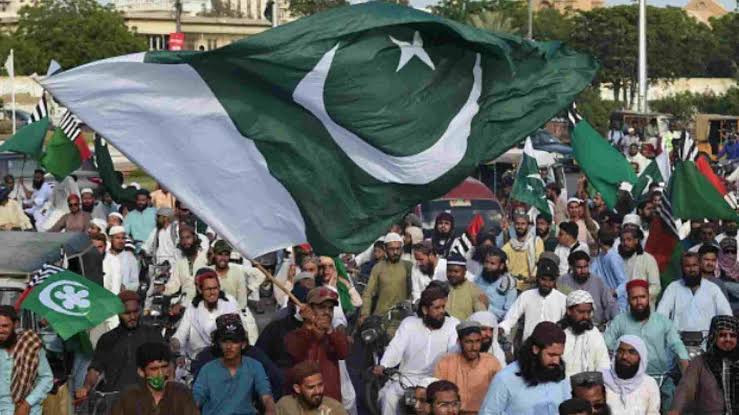
Pakistan is grappling with widespread protests as citizens take to the streets over the country’s deepening economic crisis. Rising inflation, surging unemployment, and an unstable currency have created immense hardship, sparking nationwide unrest. What began as peaceful demonstrations has escalated into violent clashes, leading to fatalities and further intensifying the turmoil.
The protests reflect widespread frustration with Pakistan’s deteriorating economic conditions, which have left millions struggling to afford basic necessities. Inflation has soared to record levels, with the prices of essential goods like food, fuel, and electricity climbing sharply. Many families are unable to meet their daily needs, while businesses face crippling operational costs. This has pushed large segments of the population into poverty, amplifying public anger and fueling the demand for immediate government intervention.
The unrest has paralyzed parts of the country, with protesters blocking roads, shutting down markets, and disrupting transportation. Demonstrators from various backgrounds, including workers, students, and business owners, have joined the movement, unified in their call for relief. However, as tensions rise, some protests have turned violent, with reports of confrontations between security forces and demonstrators. The use of tear gas and force to disperse crowds has led to injuries and deaths, further escalating the crisis.
At the core of the protests is Pakistan’s struggling economy, burdened by decades of mismanagement and external debt. Recent austerity measures introduced by the government—such as tax increases, subsidy cuts, and reforms mandated by the International Monetary Fund (IMF)—have added to public grievances. While these policies aim to stabilize the economy and secure much-needed foreign loans, they have intensified financial hardships in the short term, leaving many to question the government’s priorities and ability to address the crisis effectively.
Political divisions are compounding the situation, with opposition parties capitalizing on the unrest to criticize the government. Accusing the leadership of mismanagement and corruption, opposition leaders are calling for immediate elections, arguing that a new administration is needed to tackle the nation’s growing challenges. This political tug-of-war has only deepened uncertainty, making it harder to build consensus on effective solutions.
The unrest has drawn international attention, as Pakistan’s economic and political instability could have broader regional implications. Financial institutions and donor agencies have emphasized the importance of balancing economic reforms with measures to alleviate public suffering. The government faces increasing pressure to implement social programs, provide targeted relief for the most vulnerable, and restore confidence among its citizens to avoid further deterioration of the situation.
Experts suggest that immediate steps are needed to address the crisis. Expanding social safety nets, providing subsidies for essential goods, and creating employment opportunities could help ease public grievances. At the same time, the government must work to foster political stability, reducing polarization to create an environment conducive to long-term economic recovery.
Pakistan’s protests highlight the urgent need to address the structural weaknesses that have plagued its economy for years. The heavy reliance on foreign loans, combined with poor fiscal management and corruption, has left the country vulnerable to external and internal shocks. Without significant reforms and a clear strategy to rebuild trust with its people, the path to stability will remain elusive.
As demonstrations continue to unfold, the stakes are high for Pakistan’s government. The protests are not merely a reflection of economic pain but a broader demand for accountability, transparency, and effective leadership. Whether this unrest leads to meaningful reforms or exacerbates the nation’s challenges will depend on the actions taken in the coming weeks.
For now, Pakistan faces a critical juncture. The protests serve as a stark reminder of the human cost of economic mismanagement, urging leaders to prioritize the welfare of their people while navigating a deeply complex and precarious situation.