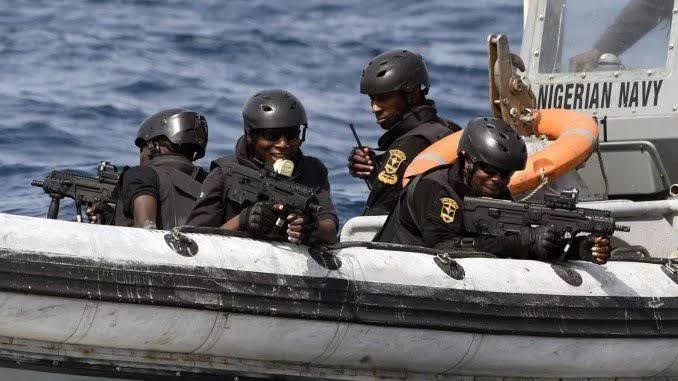
The Nigerian government has launched an ambitious initiative titled Operation Delta Sanity (OPDS) to tackle the persistent issue of oil theft in the Niger Delta region. This multifaceted operation aims to restore control over the country’s vital oil resources and increase crude oil production to 3 million barrels per day (bpd) by 2025. The move underscores Nigeria’s commitment to addressing economic sabotage and revitalizing its petroleum sector, a cornerstone of the national economy.
Addressing the Crisis of Oil Theft
Oil theft in the Niger Delta has been a significant challenge for decades, costing Nigeria billions of dollars annually in lost revenue. This illicit activity has not only undermined the country’s economic stability but has also contributed to environmental degradation and social unrest in the region. The prevalence of illegal refineries, pipeline vandalism, and organized syndicates has made it increasingly difficult for Nigeria to maximize its oil production capacity.
The situation has grown so dire that, despite being one of the world’s largest oil producers, Nigeria has struggled to meet its production quotas under the Organization of the Petroleum Exporting Countries (OPEC). With oil accounting for a significant portion of government revenue and foreign exchange earnings, the impact of these losses cannot be overstated.
Operation Delta Sanity: A Strategic Response
In response to this crisis, the federal government unveiled Operation Delta Sanity, a comprehensive security and intelligence-driven initiative aimed at combating oil theft and ensuring the protection of critical oil infrastructure. The operation is designed to address the problem at its root by targeting the networks and individuals involved in these illegal activities.
Deployment of Advanced Technology
One of the key pillars of OPDS is the deployment of state-of-the-art technology to enhance surveillance and enforcement efforts in the Niger Delta. The government has announced the use of armed drones and attack helicopters, which will provide aerial monitoring and rapid response capabilities. These advanced tools are expected to significantly improve the ability to detect and deter illegal activities across the vast and often inaccessible terrain of the Niger Delta.
Intelligence-Driven Operations
Another critical component of OPDS is the emphasis on intelligence gathering and analysis. Enhanced intelligence networks will play a central role in identifying and dismantling oil theft syndicates. This includes collaboration with local communities, security agencies, and international partners to track the movement of stolen crude and uncover the financial networks supporting these criminal enterprises.
By leveraging intelligence, the government aims to disrupt the supply chains that sustain oil theft operations and bring perpetrators to justice. This approach not only addresses the immediate problem of theft but also seeks to dismantle the larger ecosystem that enables it.
Strengthening Security in the Niger Delta
Beyond the use of technology and intelligence, OPDS will also focus on strengthening security in the Niger Delta region. This includes deploying additional military and paramilitary forces to protect key infrastructure such as pipelines, export terminals, and storage facilities. By securing these assets, the government hopes to restore confidence among investors and stakeholders in the oil industry.
Broader Implications of OPDS
The successful implementation of Operation Delta Sanity could have far-reaching implications for Nigeria. Increasing oil production to 3 million bpd by 2025 would significantly boost government revenue, providing much-needed funds for infrastructure development, healthcare, education, and other critical sectors.
Moreover, addressing oil theft could help mitigate the environmental damage caused by illegal refineries and pipeline spills, contributing to the ecological restoration of the Niger Delta. This, in turn, could improve the quality of life for local communities and reduce the social tensions that have long plagued the region.
A Call for Sustainable Development
While Operation Delta Sanity represents a bold and necessary step forward, it is important to recognize that addressing oil theft alone will not solve the underlying challenges facing the Niger Delta. Sustainable development, including investments in education, healthcare, and alternative livelihoods for residents, must accompany these security measures.
By addressing both the symptoms and root causes of the problem, Nigeria can pave the way for a more prosperous and stable future. Operation Delta Sanity is not just a campaign against oil theft; it is a statement of intent to reclaim the nation’s resources and chart a new course for economic growth and regional stability.
As the government moves forward with this initiative, the eyes of the nation and the world will be on the Niger Delta, watching to see if Nigeria can turn the tide against oil theft and realize the full potential of its natural wealth.