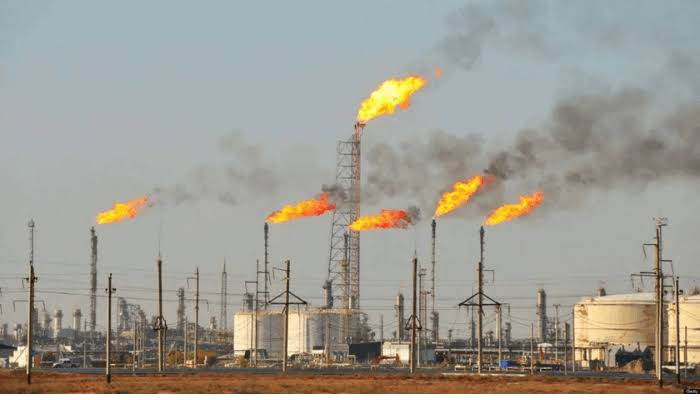
In a landmark decision aimed at addressing climate change and fostering sustainable energy practices, the Nigerian government has introduced a policy requiring oil licence and permit applicants to demonstrate low-carbon emissions and integrate renewable energy frameworks. This initiative, effective immediately, aligns with Nigeria’s commitment to achieving net-zero carbon emissions by 2060, as outlined in its climate action strategy.
For decades, Nigeria’s economy has been deeply tied to its oil and gas industry. As Africa’s leading oil producer, the country has relied heavily on fossil fuel revenues to fund infrastructure and development. However, this dependence has contributed significantly to environmental challenges, including greenhouse gas emissions, deforestation, and biodiversity loss. Recognizing the urgent need for change, the government’s new policy aims to ensure that oil operators adopt more sustainable and environmentally responsible practices.
Under the new regulations, companies applying for oil licences must submit detailed plans outlining how they will reduce their carbon footprint. This includes adopting cutting-edge technologies to minimize flaring, emissions from production processes, and waste. Additionally, applicants must demonstrate a commitment to renewable energy by integrating solutions such as solar, wind, or biomass into their operations. These measures are designed to promote cleaner energy production while fostering innovation within the oil and gas sector.
The policy is part of Nigeria’s broader strategy to align with global environmental goals, including its obligations under the Paris Agreement. In 2021, the country pledged to reach net-zero carbon emissions by 2060, a goal that requires significant reform across all sectors, particularly energy. By enforcing stricter environmental standards for oil licence approvals, Nigeria aims to accelerate its transition toward a more sustainable energy mix while maintaining its economic competitiveness.
A key aspect of the initiative is its potential to diversify Nigeria’s energy sector. While the country has historically relied on oil, it possesses immense potential in renewable energy, particularly solar power, due to its geographic location. Encouraging oil operators to adopt renewable energy frameworks not only supports Nigeria’s net-zero ambitions but also creates opportunities for new investments and job creation in the clean energy sector.
This regulatory shift also reflects a growing global trend. Around the world, oil and gas companies face increasing scrutiny from governments, investors, and consumers to adopt more sustainable practices. Environmental, Social, and Governance (ESG) metrics have become critical considerations for investment decisions, and companies that fail to prioritize sustainability risk losing access to funding and market opportunities. By implementing these requirements, Nigeria is positioning itself as a forward-thinking energy producer ready to meet global expectations.
However, the success of this policy will depend on its implementation. To ensure compliance, the government must establish robust monitoring and enforcement mechanisms. This could include third-party audits, regular progress reporting, and penalties for non-compliance. Transparency will be key to building trust and ensuring that companies adhere to their commitments.
Critics have raised concerns about the potential economic impact of the new regulations. Stricter environmental requirements may increase operational costs for oil companies, potentially making Nigeria less attractive to investors compared to other oil-producing nations. To address this, the government must balance its environmental goals with economic realities by offering incentives such as tax breaks, subsidies for renewable energy projects, and grants for research into low-carbon technologies.
Public-private collaboration will also be essential to the policy’s success. Oil companies, financial institutions, and technology providers must work together to develop innovative solutions that align with the new standards. Additionally, the government can play a role in raising awareness about the importance of sustainability, fostering a culture of environmental responsibility across the industry.
In conclusion, Nigeria’s mandate for low-carbon emissions and renewable energy integration in oil licence applications represents a bold step toward sustainability and climate resilience. By holding oil operators accountable for their environmental impact, the government is driving the energy sector toward a cleaner, more diversified future. If implemented effectively, this policy could not only help Nigeria achieve its net-zero goals but also position the country as a leader in sustainable energy practices on the global stage. It’s a decisive move that balances economic needs with environmental responsibility, setting a precedent for other oil-producing nations to follow.